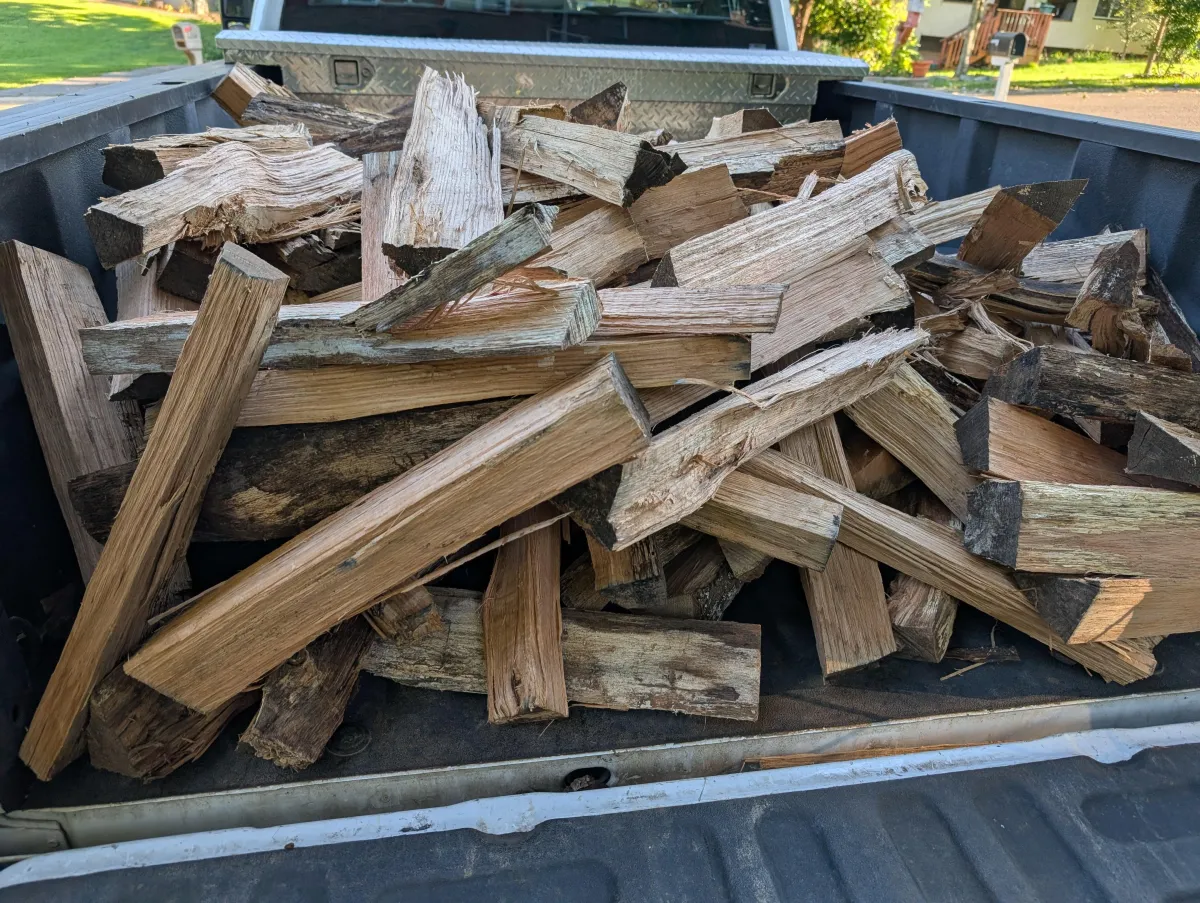
How to Tell if Firewood Is Truly Seasoned Before You Buy (Georgia Homeowner’s Guide)
How to Tell if Firewood Is Truly Seasoned Before You Buy (Georgia Homeowner’s Guide)
Why This Matters More Than You Think
If you’ve ever bought firewood that looked good but burned poorly — smoked, hissed, or barely produced heat — you’re not alone.
One of the most common frustrations Georgia homeowners face is firewood labeled as “seasoned” that isn’t actually ready to burn.
In a humid climate like North Georgia, wood that hasn’t been properly dried can cause:
Smoky fires
Poor heat output
Creosote buildup in chimneys
Wasted money and frustration
At Paul & Babe’s Firewood, we deliver truly seasoned hardwood from our wood lot in Acworth, GA to homeowners across Cobb, Paulding, and Cherokee County — and we believe buyers should know exactly what to look for before they purchase firewood.
This guide will teach you how to tell if firewood is genuinely seasoned, so you never get stuck with wet wood again.
What “Seasoned Firewood” Really Means
Seasoned firewood isn’t just wood that’s been sitting around for a while.
True seasoned firewood:
Has been cut, split, and air-dried
Has a moisture content below 20%
Has dried for 6–12 months (longer for dense hardwoods like oak)
Anything else — including freshly cut wood that’s been stacked for a few weeks — is not seasoned, no matter what the seller claims.
Why Unseasoned Firewood Is a Problem in Georgia
Georgia’s humidity slows the drying process. Wood that might season in 6 months in a dry climate can take 12 months or more here if it’s not stacked correctly.
Burning unseasoned wood causes:
Excess smoke
Low heat
Chimney creosote (fire hazard)
Moldy or bug-infested stacks
Fires that won’t stay lit
This is why knowing how to inspect firewood before buying is critical.
10 Proven Ways to Tell If Firewood Is Truly Seasoned
1. Check the Ends for Cracks (Most Reliable Visual Sign)
Seasoned firewood almost always has visible cracks or splits on the cut ends, called checking.
✔ Cracks = moisture has escaped
❌ Smooth ends = wood is still wet
If the ends look freshly cut and smooth, the wood is likely green.
2. Feel the Weight (Your Hands Know)
Pick up two similar-sized logs.
Seasoned wood feels noticeably lighter
Green wood feels heavy and dense
Water is heavy. If it feels heavier than expected, it’s probably still wet inside.
3. Listen to the Sound (Clack vs Thud)
Tap two pieces of firewood together.
Seasoned wood: sharp “clack” or “ring”
Unseasoned wood: dull “thud”
This is one of the quickest tests you can do on the spot.
4. Look at the Color
Seasoned wood changes color over time.
✔ Gray, faded, weathered appearance = seasoned
❌ Bright yellow, tan, or fresh-looking = green
Fresh color almost always means moisture is still trapped inside.
5. Bark That Peels Easily Is a Good Sign
On seasoned hardwood:
Bark often loosens or falls off naturally
It may look dry, flaky, or curled
On green wood:
Bark is tight, flexible, and firmly attached
6. Ask When the Wood Was Split (Not Just Cut)
Here’s a trick sellers use:
“It was cut last year.”
That doesn’t matter.
What matters is when it was split.
Wood does not season properly until it’s split.
If the seller can’t clearly say:
When it was split
How long it’s been drying
…it’s a red flag.
7. Watch It Burn (If You Can)
If you’re testing wood you already have:
✔ Seasoned wood lights easily
✔ Burns with steady flames
✔ Produces minimal smoke
❌ Wet wood hisses or sizzles
❌ Smokes excessively
❌ Goes out quickly
8. Use a Moisture Meter (Best for Serious Burners)
A firewood moisture meter costs $20–$30 and removes all guesswork.
Split a log
Insert the probes into the freshly exposed center
Ideal reading: 15–20%
Anything above 25% will burn poorly.
9. Smell the Wood
Seasoned wood smells:
Mild
Earthy
Clean
Green or wet wood often smells:
Sour
Musty
Moldy
That smell means moisture — and often mold.
10. Be Wary of These Red Flags When Buying Firewood
🚩 “It’s seasoned… just cut last month”
🚩 “It’ll dry once you get it home”
🚩 Sold only as a vague “truckload”
🚩 Stored directly on the ground
🚩 Covered tightly in plastic (traps moisture)
These almost always indicate unseasoned firewood.
Why Buying Truly Seasoned Firewood Saves You Money
Wet wood:
Burns inefficiently
Requires more logs per fire
Causes chimney maintenance issues
Shortens the life of stoves and inserts
Seasoned wood:
Burns hotter
Lasts longer
Uses fewer logs
Is safer and cleaner
Paying slightly more for properly seasoned hardwood usually costs less overall.
How Paul & Babe’s Firewood Ensures Proper Seasoning
At Paul & Babe’s Firewood, seasoning isn’t an afterthought — it’s the process.
Our firewood:
Is cut and split early
Is stacked for maximum airflow
Is seasoned for months before delivery
Is never rushed or sold “half dry”
From our Acworth wood lot, we deliver ready-to-burn hardwood across:
Cobb County
Paulding County
Cherokee County
Available in:
🔥 Bundles
🔥 ¼ cord
🔥 ½ cord
🔥 Full cord
We also build custom wood racks to keep your firewood seasoned after delivery.
How to Keep Firewood Seasoned After You Buy It
Even seasoned firewood can reabsorb moisture if stored incorrectly.
Best Storage Practices:
Keep wood off the ground
Cover only the top, not the sides
Allow airflow on all sides
Store in a sunny, open area
Use a wood rack instead of stacking directly on soil
👉 This is exactly why we build custom firewood racks for Georgia homeowners.
Common Questions People Google About Seasoned Firewood
Is dry firewood the same as seasoned?
Not always. Seasoned wood is naturally dried over time. “Dry” can mean artificially dried or surface-dry only.
How long does firewood need to season in Georgia?
6–12 months for most hardwoods. Dense oak can take 12–18 months.
Can firewood be too dry?
Yes. Extremely dry wood burns too fast. Ideal moisture is 15–20%.
Why does my firewood smoke so much?
It’s almost always because the wood is too wet.
Where can I buy seasoned firewood near me?
From Paul & Babe’s Firewood, delivering from Acworth to Cobb, Paulding, and Cherokee County.
Why Buying Local Matters
Local firewood suppliers understand:
Georgia humidity
Proper seasoning timelines
Storage challenges
Local wood species
Buying local means:
Fresher, better-handled wood
Honest measurements
Reliable delivery
Support for family-owned businesses
Conclusion: Never Guess Again
Knowing how to tell if firewood is truly seasoned saves you:
Money
Time
Smoke
Frustration
Safety risks
If you want firewood that:
✅ Lights easily
✅ Burns clean
✅ Produces real heat
✅ Is ready the day it arrives
📞 Call 678-831-9087 and order from Paul & Babe’s Firewood.
We deliver seasoned hardwood from our Acworth wood lot to Cobb, Paulding, and Cherokee County, available in bundles, ¼ cords, ½ cords, and full cords — plus custom wood racks to keep it that way.
🔥 Burn better. Buy smarter. Support local.
